
What Is a Managed Office Workspace and How Does It Work?
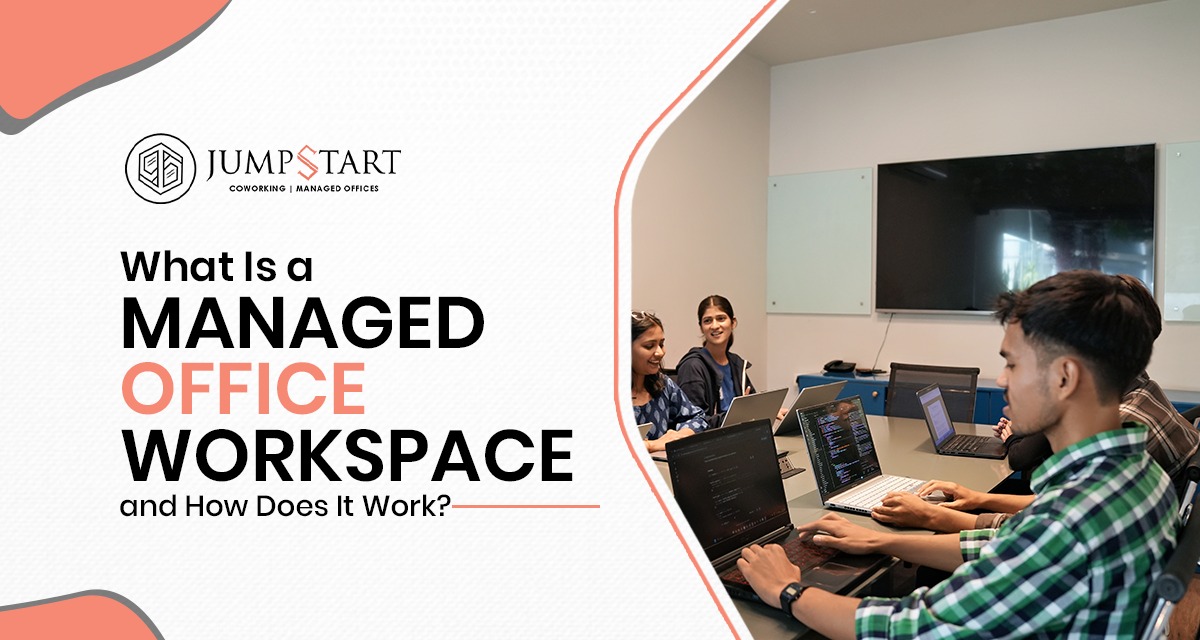
A managed office workspace is a fully set-up, ready-to-use office where a provider handles the furniture, internet, maintenance and day-to-day operations, while the business simply moves in and starts working. It combines the privacy of a traditional office with the flexibility and lower overhead of a coworking model.
If you’ve been running a business out of a home setup, a small rented office or even a coworking hot desk, there’s a good chance you’ve come across the term “managed office” while looking for your next step. And honestly, it can sound a bit vague at first — is it a coworking space? A private office? Something in between? Let’s actually break it down properly because once you understand how it works, it becomes pretty clear why so many growing businesses are choosing this route.
What Exactly Is a Managed Office Workspace?
At its core, a managed office workspace is a private office space that comes fully set up and operationally managed by a workspace provider. Instead of leasing a bare shell and spending months on interiors, furniture, internet setup and maintenance contracts, a business simply walks into a space that’s already functional — desks, chairs, high-speed internet, meeting rooms and daily upkeep all sorted before day one.
The “managed” part is really the key difference here. The provider takes care of everything operational — cleaning, IT support, front-desk services, utility bills — so the business using the space can focus entirely on actual work instead of office logistics.
How Does a Managed Office Actually Work?
The process is a lot simpler than setting up a traditional office and that’s really the whole appeal. Here’s roughly how it plays out:
- A business chooses a space size based on team strength — this could be a private cabin for a small team or a larger enclosed floor for bigger teams.
- The provider furnishes and equips the space with desks, seating, internet and meeting room access, often within days rather than months.
- A monthly or annual agreement is signed which usually bundles in maintenance, utilities and support services so there’s no separate juggling of vendors.
- The business moves in and starts operating almost immediately with the option to scale the space up or down as team size changes.
Compare this to setting up a traditional office from scratch where you’re dealing with separate vendors for furniture, internet, electricity, cleaning and security — a managed office folds all of that into one straightforward arrangement.
Managed Office vs Traditional Office vs Coworking
This is where a lot of the confusion comes from, so it’s worth laying out the actual differences. A traditional leased office gives you full control and privacy but you’re responsible for setting everything up yourself, which takes time and upfront investment.
A coworking hot desk or day pass gives you flexibility and low commitment but limited privacy, since you’re often sharing open seating with other professionals and businesses.
A managed office workspace sits right in the middle — you get the privacy and dedicated space of a traditional office but with the setup speed, flexibility and lower overhead that coworking spaces are known for.
This middle-ground positioning is exactly why managed offices have become popular with growing startups and small teams that have outgrown a shared desk but aren’t ready for the commitment of a full independent lease.
Managed Office Benefits Worth Knowing
The appeal of this model becomes clearer once you look at what it actually saves a business, both in time and money. Some of the biggest managed office benefits include
- No upfront capital spend on furniture, interiors or IT infrastructure, since all of it is already in place.
- There’s also significantly less operational hassle, since maintenance, cleaning and utility management are handled by the provider rather than the business itself.
- Businesses get the flexibility to scale their space up or down as team size changes without being locked into a long, rigid lease.
- Because these spaces are usually located in commercial hubs with good connectivity, businesses also get a more professional address and better accessibility for clients and employees alike.
If you’re weighing this against a fully independent office lease, our blog on What Are the Benefits of Commercial Office Space? is worth reading alongside this one, since it covers the broader case for moving out of a home setup altogether.
Who Actually Needs a Managed Office Workspace?
This model tends to work particularly well for a few kinds of businesses such as
- Startups that have raised funding and are scaling their team quickly often find it easier to take a managed office than negotiate and set up a traditional lease under time pressure.
- Remote-first companies opening a satellite office in a new city benefit from the quick turnaround, since they don’t need months of local setup.
- Established businesses looking for a professional, ready-made space without long-term commitment also gravitate toward this option especially when they’re still figuring out their long-term real estate strategy.
Is a Managed Office the Same as a Flexible Office Workspace?
These terms often get used interchangeably and there’s good reason for that — a managed office is essentially a form of flexible office workspace, just with a stronger emphasis on privacy and dedicated space rather than shared seating. The broader flexible workspace category includes everything from hot desks and day passes to enclosed cabins and fully managed private offices, all built around the same core idea: give businesses office infrastructure without the long-term burden of owning or independently leasing it.
If you’re still exploring which specific format — hot desk, dedicated desk, private cabin or managed office — fits your team best, our guide on How to Find the Best Coworking Space Near You? can help you narrow that down. And if meeting rooms and client-facing spaces are part of your decision too, our post on Meeting Rooms at Coworking Spaces: Availability and Pricing covers that angle as well.
Conclusion
To sum it up, a managed office workspace gives businesses the best of both worlds — the privacy and dedicated feel of a traditional office, paired with the speed, flexibility and lower overhead that come with a professionally managed setup. For startups scaling fast, remote teams opening new city offices or established businesses wanting a hassle-free space, this model genuinely removes a lot of the friction that comes with traditional office setups.
This is exactly the kind of workspace Jumpstart Coworking has built across its centers in Dehradun. With locations at Shagun Tower on New Road, Jumpstart Tower on Haridwar Bypass Road and a third location coming near IT Plaza, Jumpstart offers enclosed cabin spaces, dedicated desks, virtual offices and managed office solutions designed for teams of every size — all backed by high-speed WiFi, fully equipped meeting rooms, round-the-clock access and a genuinely supportive team handling the day-to-day operations. For any business exploring a managed office workspace in Dehradun that offers real flexibility without compromising on professionalism, Jumpstart Coworking is built to be exactly that space.